
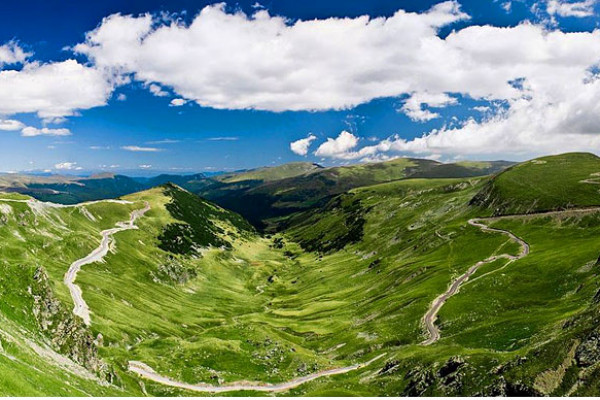

The TransAlpina ranges in elevation from 1,476 feet at Novaci to almost 7,040 feet at Pasul Urdele; it connects central Romania (Transylvania) with Oltenia the western part of southern Romania (also called Walachia or according to some old maps "TransAlpina").
- Free transport
- Best view in Romania
- Lunch provided
| Duration | 1 Hour |
|---|---|
| Languages | English, Japanese, Russian, Hebrew, Turkish |
| Opening hours | |
| Requirements | Worm clothes |
Venue
DN7A, Obârşia Lotrului, Romania
Offered by
Thinkpad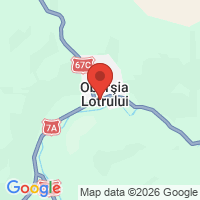
Further information
If adventure and Alpine scenery sound alluring, the TransAlpina road offers an ideal mix of the two. Winding its way through valleys and plateaus up to 7,038 feet – a height not reached by any other mountain passage in Romania – the TransAlpina road offers breathtaking views together with lots of driving excitement.\
Arguably the oldest road over the Carpathian Mountains, TransAlpina was built at the beginning of the 2nd Century AD by the Roman legions during their war campaign to conquer Sarmizegetusa – the capital of Dacia (modern-day Romania). After the conquest of Dacia, the Romans have used the TransAlpina to transport to Rome the gold extracted from the central part of Romania (Transylvania). At the beginning of the second millennium TransAlpina has become one of the main transhumance routes over the Carpathian Mountains; it still serves this purpose, even today. Paving of the road began in 1930 and eight years later King Carol II inaugurated the new TransAlpina (also named during the monarchy period "the The King's Road").
The TransAlpina ranges in elevation from 1,476 feet at Novaci to almost 7,040 feet at Pasul Urdele; it connects central Romania (Transylvania) with Oltenia the western part of southern Romania (also called Walachia or according to some old maps "TransAlpina").